Field Note
Phase One: Why Eden Has to Pay Its Own Way
Phase One has a simple rule: every project must contribute toward sustaining the core team. That financial discipline is how Eden hopes to work within the present system without surrendering its larger challenge to it.
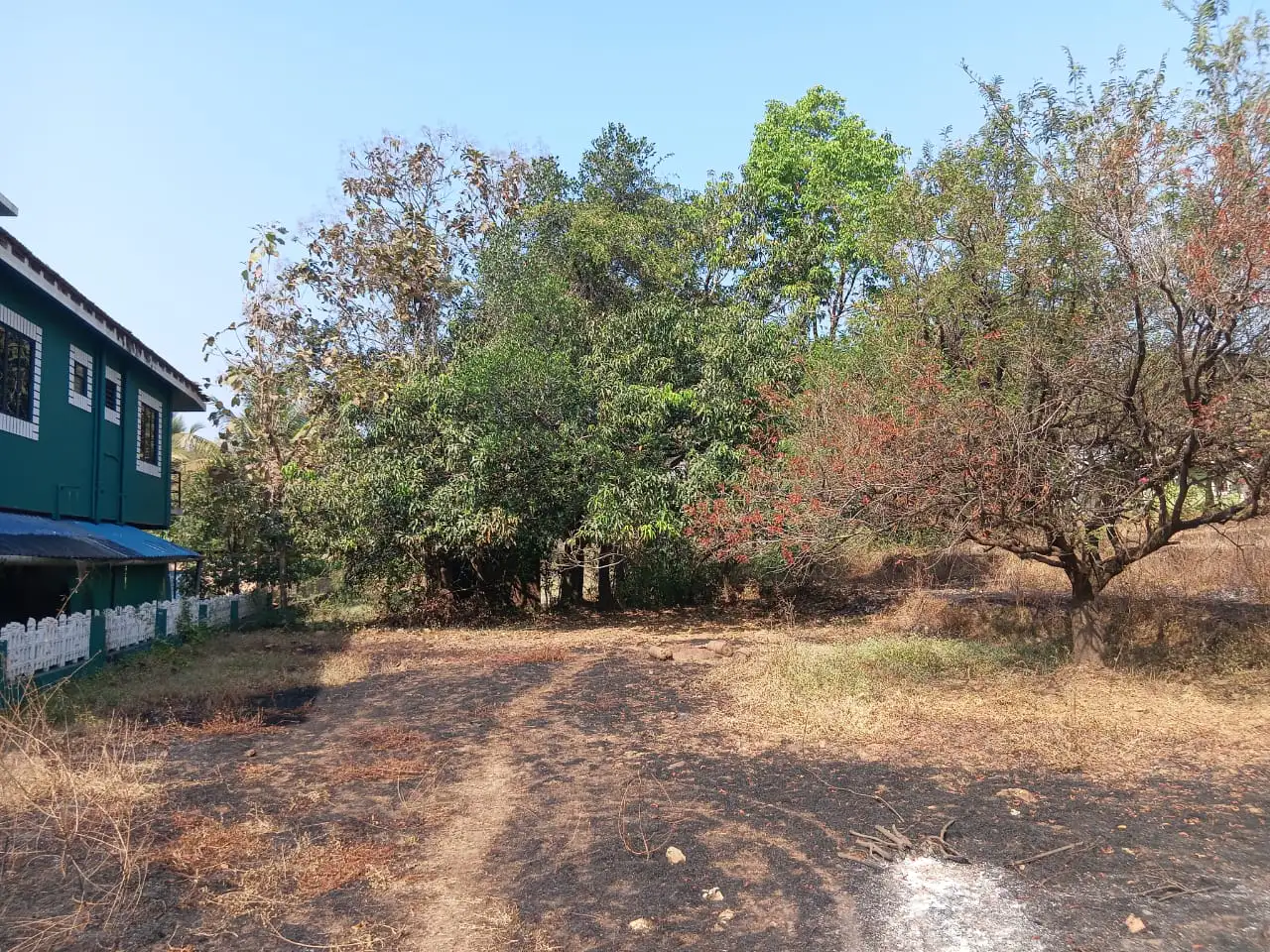
What is the idea behind Phase One? In very simple words: every project we execute during this phase has to contribute toward sustaining the core team.
I would personally call that the realistic plan. The team needs food, time, tools, and stability. If the work cannot support the people doing it, Eden cannot stay independent long enough to test anything larger.
The tension behind the plan
Eden was developed to challenge parts of the system we are all part of. One small example sits underneath everything else: food is a basic need, yet the reality is that we have to pay for it. That fact irritates me. It also does not disappear because I object to it.
So the question is not whether we can stand outside the system and refuse to play. We cannot—not while the team also has to survive. The useful question is: how do we work within the present system without allowing it to become the limit of our imagination?
For now, our answer is to fight fire with fire. We will use revenue, trade, and disciplined business practice to create enough independence to challenge extraction rather than remain dependent on it. That is not a claim that business is good and charity is bad. It is a practical wager about which structure gives this project the best chance to keep its purpose intact.
Why the work has to earn
A donation-funded project is eventually accountable to its funders’ priorities and timelines. If the money slows, the work slows, even when the work itself is succeeding.
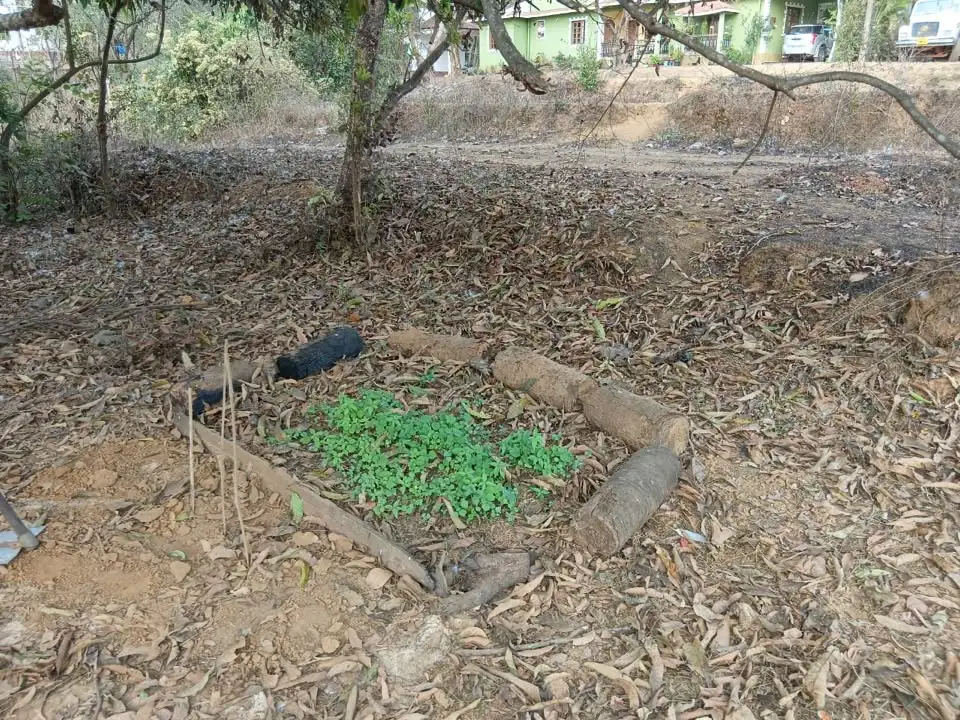
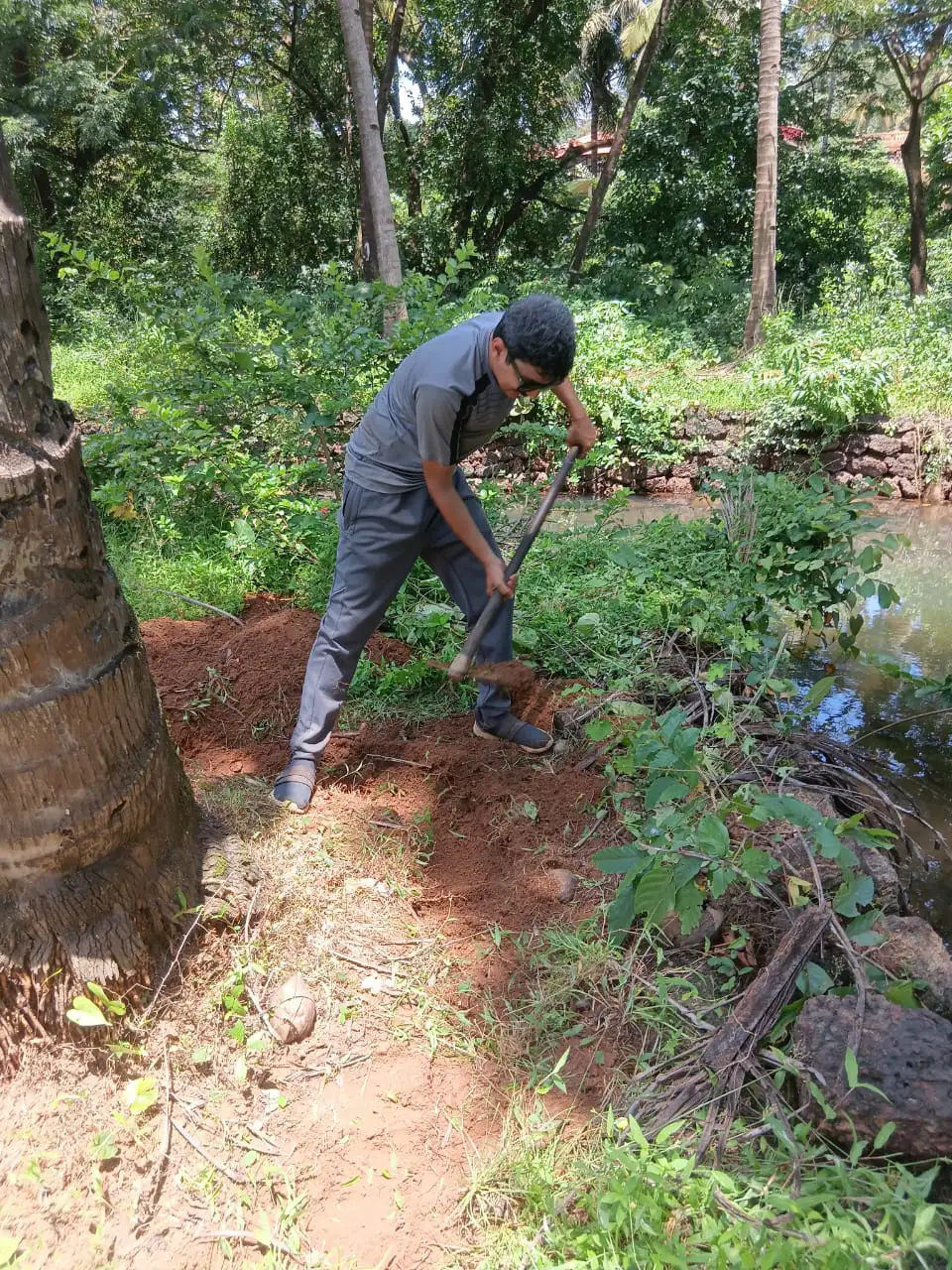
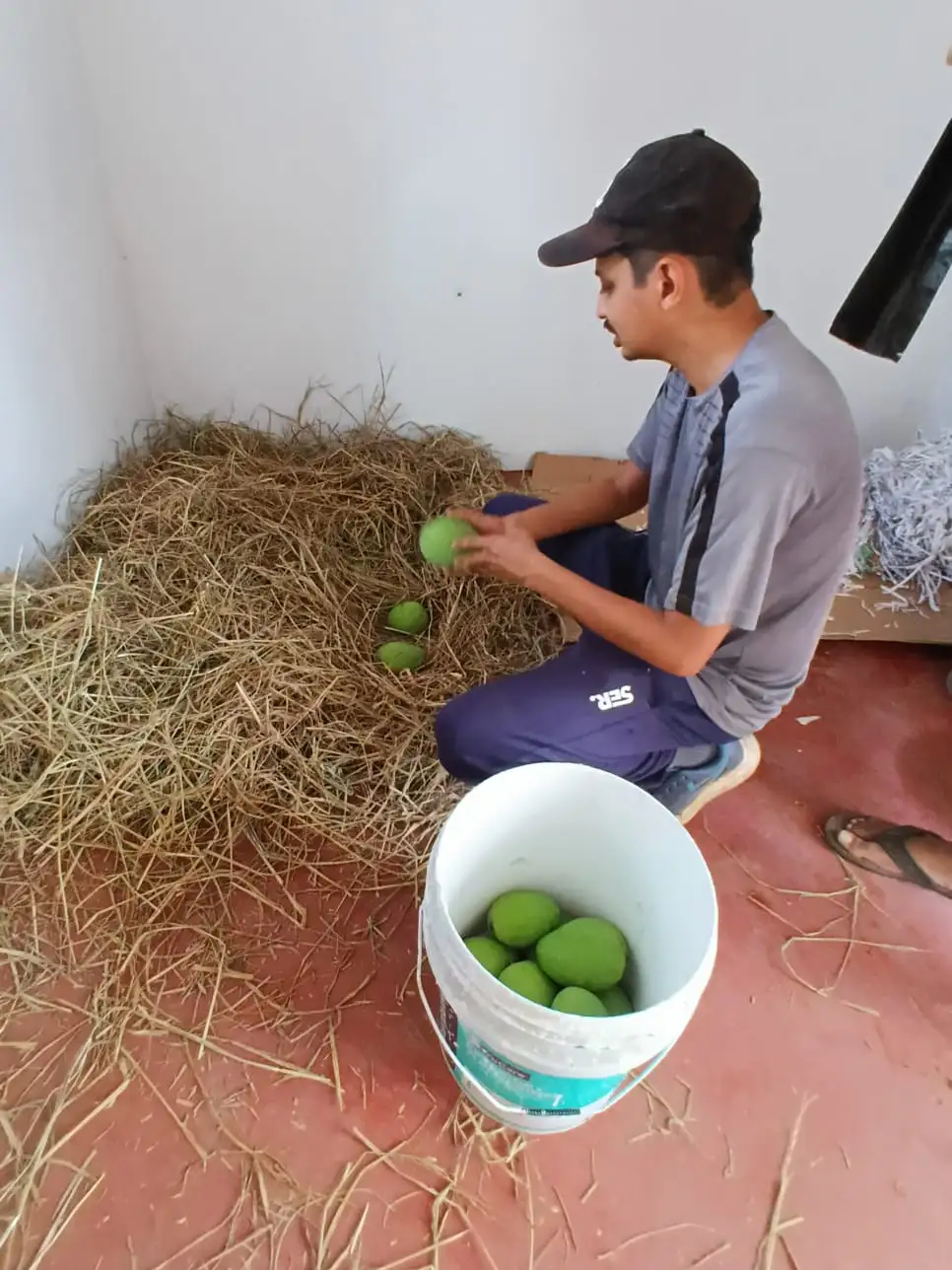
Our instinct is to make the work pay for itself. If regenerative farming can generate a real surplus, the land can help fund the team caring for it. The team can keep improving the land. And any surplus beyond the team’s needs can support the larger experiments Eden exists to attempt.
There is a moral boundary here too. We do not want independence in name while relying on money from sources whose practices we would object to. Earning revenue directly does not make every decision pure, but it makes the relationship between the work and its survival easier to see.
What Phase One asks of us
The rule is not that every individual activity must make money immediately. Farming does not work that neatly. The rule is that every Phase One project must contribute toward a system capable of sustaining the core team from its own earnings.
We still have two proof points before we can call this phase successful:
- The core team is sustained by Eden’s own revenue.
- The self-sufficiency model is genuinely tested in two pilot villages.
The first condition governs the work we choose now. The second stops profitability from becoming the whole mission. Revenue is the means that gives the project room to pursue the larger test; it is not the end of the story.
What the work looks like
Where this could go wrong
Self-funding can make us slower than the work deserves. The pressure to earn can also pull decisions toward whatever pays fastest, even when that conflicts with the land’s long-term health or the community’s needs. Independence is not automatically virtuous if the pursuit of profit quietly changes the mission.
That is why Phase One is a test, not a success we are claiming. We have not yet shown that farm earnings can sustain the core team, and we have not yet demonstrated the village model. We need to measure both the revenue and the compromises made to earn it.
For now, the plan remains simple: make the work capable of sustaining the people doing it, and use that stability to preserve the freedom to attempt something bigger. We are learning how to play the game without forgetting why we wanted to challenge it.
Subscribe to Eden Field Notes
Email only · double opt-in · unsubscribe anytime. See our privacy notice.